
"Ethiopian coffee exports"
2000 article(s) found

Introduction to the characteristics of Ethiopian coffee
Ethiopia is one of the major producers of Arabica coffee in Africa, producing the best Arabian coffee in the world. It is said that coffee was first discovered by shepherds in Essekafa, and the name of coffee evolved from Kafa, so Essex is still the hometown of coffee. The geographical environment of coffee production and processing is very suitable for coffee growth. Coffee is mainly cultivated.

Ethiopian Coffee Export Coffee Fine Coffee Kenya Yega Chuefei
Coffee export coffee is Ethiopia's most important export cash crop and the main source of Ethiopia's foreign exchange earnings. Ethiopia's coffee exports account for about 3% of the world market, making it the eighth largest coffee exporter in the world. Coffee exports increased steadily from 58000 tons in 1990 to 110000 tons in 1995-1996 and remained at this level in the following years. two

Boutique coffee beans introduction to Ethiopian coffee
Ethiopia is one of the major producers of Arabica coffee in Africa, producing the best Arabian coffee in the world. It is said that coffee was first discovered by shepherds in Essekafa, and the name of coffee evolved from Kafa, so Essex is still the hometown of coffee. The geographical environment of coffee production and processing is very suitable for coffee growth. Coffee is mainly cultivated.

Price and Flavor description of Ethiopian Xachiso Coffee introduction to Variety producing area of Manor
Ethiopian Xachiso Coffee Price Flavor description Manor Variety producing area Coffee is Ethiopia's most important export cash crop and the main source of Ethiopia's foreign exchange earnings. Ethiopia's coffee exports account for about 3% of the world market, making it the eighth largest coffee exporter in the world. Coffee exports increased steadily from 58000 tons in 1990 to 110 tons in 1995-1996.

Flavor description of Ethiopian Yejia Snow Coffee beans introduction of varieties produced by taste treatment
Flavor description of Ethiopian Yega Coffee beans Coffee is the most important export cash crop and the main source of foreign exchange income in Ethiopia. Ethiopia's coffee exports account for about 3% of the world market, making it the eighth largest coffee exporter in the world. Coffee exports increased steadily from 58000 tons in 1990 to 1995-1996.
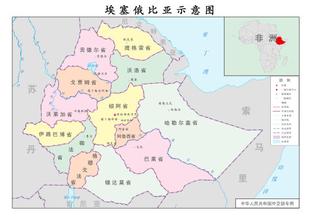
Ethiopian Coffee Coffee producing areas, Coffee Brands, Coffee Brands introduction
Ethiopia is one of the major producers of Arabica coffee in Africa, producing the best Arabian coffee in the world. It is said that coffee was first discovered by shepherds in Essekafa, and the name of coffee evolved from Kafa, so Essex is still the hometown of coffee. The geographical environment of coffee production and processing is very suitable for coffee growth. Coffee is mainly cultivated.

Introduction to Ethiopian Coffee from the producing area of Fine Coffee
Ethiopia is one of the major producers of Arabica coffee in Africa, producing the best Arabian coffee in the world. It is said that coffee was first discovered by shepherds in Essekafa, and the name of coffee evolved from Kafa, so Essex is still the hometown of coffee. The geographical environment of coffee production and processing is very suitable for coffee growth. Coffee is mainly cultivated.

The flavor of Ethiopian coffee with the aroma of dried fruit. Introduction to the characteristics of fine coffee beans in the manor area.
Coffee is Ethiopia's most important export cash crop and the main source of Ethiopia's foreign exchange earnings. Ethiopia's coffee exports account for about 3% of the world market, making it the eighth largest coffee exporter in the world. Coffee exports increased steadily from 58000 tons in 1990 to 110000 tons in 1995-1996 and remained at this level in the following years. 2001-2002

Flavor description of Ethiopian Sidamo Lion King Coffee beans introduction to the taste of grinding scale varieties
Flavor description of Ethiopian Sidamo Lion King Coffee is Ethiopia's most important export cash crop and a major source of foreign exchange earnings. Ethiopia's coffee exports account for about 3% of the world market, making it the eighth largest coffee exporter in the world. Coffee exports increased steadily from 58000 tons in 1990 to 1995-1996.
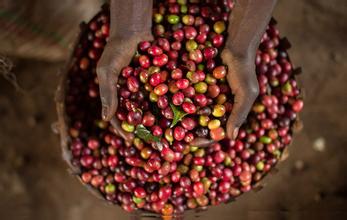
Boutique coffee beans Ethiopian coffee the latest coffee introduction unique flavor
Coffee is Ethiopia's most important export cash crop and the main source of Ethiopia's foreign exchange earnings. Ethiopia's coffee exports account for about 3% of the world market, making it the eighth largest coffee exporter in the world. Coffee exports increased steadily from 58000 tons in 1990 to 110000 tons in 1995-1996 and remained at this level in the following years. 2001-2002

What are the suggestions for Ethiopian single bean baking in Ethiopia's single bean farm?
Professional baristas Please pay attention to the coffee workshop (Wechat official account cafe_style) because of the different planting methods, coffee can be divided into three types: forest-semi-forest coffee (Forest or semi-forest coffee), courtyard coffee (Garden coffee) and plantation coffee (Plantation coffee). 60% of the coffee belongs to forest-semi-forest coffee. In such a wild place

Introduction to the Flavor and Taste Manor of Ethiopian Fine Coffee beans
Ethiopian people are addicted to coffee. In 2003, domestic consumption accounted for 42.3% of the total output, with a per capita consumption of 3 kg. But more than half of the coffee produced each year is used for export to earn foreign exchange. The main exporters include the United States, Italy, the United Kingdom, Sweden, Norway, Greece, France, Belgium, Germany and Australia. Before 1974, the right to produce, process and trade coffee was controlled by

Impact of Ethiopian Commodity Trading Exchange ECX on Coffee Export quality | Coffee bean value chain
The coffee atmosphere in Ethiopia is very strong. His unique geographical environment and climatic conditions make the coffee taste wonderful. Rich, the depth, width and breadth of the flavor are among the best. As the oldest coffee drinker, how did Ethiopia grow into a huge coffee empire? This is closely related to the Ethiopian Commodity Exchange, Ethiopia in 2008.

Introduction to the planting situation and flavor and taste characteristics of estates in Ethiopian coffee producing areas
Ethiopia is one of the major producers of Arabica coffee in Africa, producing the best Arabian coffee in the world. It is said that coffee was first discovered by shepherds in Essekafa, and the name of coffee evolved from Kafa, so Essex is still the hometown of coffee. The geographical environment of coffee production and processing is very suitable for coffee growth. Coffee is mainly cultivated.

What is the Ethiopian Commodity Exchange? What role does ECX play in Ethiopian Coffee Trade
The Ethiopian Commodity Exchange (ECX) is the national multi-commodity exchange in Ethiopia, through which most of the country's coffee is traded. Since its establishment in 2008, it has been the subject of praise and criticism in the entire coffee industry. Although adjustments have been made to the way ECX operates, the views of the industry as a whole remain uneven. For people outside Ethiopia

A brief introduction to the Ethiopian ECX trading system that manages the export of Ethiopian coffee
Ethiopia is the country where coffee was first discovered, and it is still the most important and best producer of coffee in terms of quality and output. Coffee is mostly traditional Arabica species, with an annual output of about 350000 tons and more than 70% of which are exported to countries around the world. About 15 million people in the country are engaged in coffee-related industries, and more than 90% of the farms or cooperatives are planted in small areas.
Ethiopian coffee exports are expected to hit an all-time high
Ethiopian coffee exports are expected to hit an all-time high in fiscal year 2014, due to droughts and insect pests in South America. The International Coffee Association said in September that global coffee production could not meet market demand this year because of a reduction in production in Brazil, the world's largest coffee producer, as a result of drought at the beginning of the year. As Africa's largest coffee producer, Ethiopia exported in the first four months of this fiscal year (July to October)
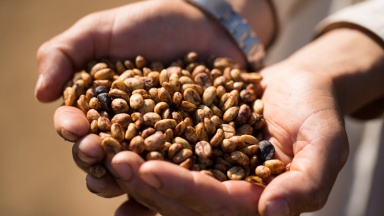
Grade Analysis of Ethiopian Coffee varieties Ethiopia's main producing areas
Ethiopia is one of the major producers of Arabica coffee in Africa, producing the best Arabian coffee in the world. It is said that coffee was first discovered by shepherds in Essekafa, and the name of coffee evolved from Kafa, so Essex is still the hometown of coffee. The geographical environment of coffee production and processing is very suitable for coffee growth. Coffee is mainly cultivated.

Ethiopian Coffee Manor Flavor Description Grindness Taste Characteristics Boutique Coffee Introduction
Ethiopian coffee grade: Ethiopian washed coffee Yirgacheffe G1 G2 Sidamo (Yirgacheffe, Sidamo) the highest grade is second and third grade (G2, G3), the eastern part of Ethiopia sun processing coffee is mostly fourth or fifth grade (G4, G5). In many cases, fourth-grade coffee is labeled as five-grade in order to reduce taxes. The current classification is not very uniform, there are
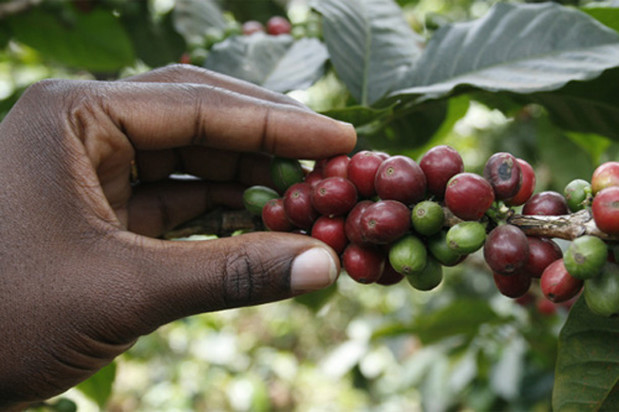
Recommend Ethiopian sun sun Sidamo Sidamo coffee beans Ethiopia Yega Sheffield coffee beans
Ethiopia is one of the major producers of Arabica coffee in Africa, producing the best Arabian coffee in the world. It is said that coffee was first discovered by shepherds in Essekafa, and the name of coffee evolved from Kafa, so Essex is still the hometown of coffee. The geographical environment of coffee production and processing is very suitable for coffee growth. Coffee is mainly cultivated.